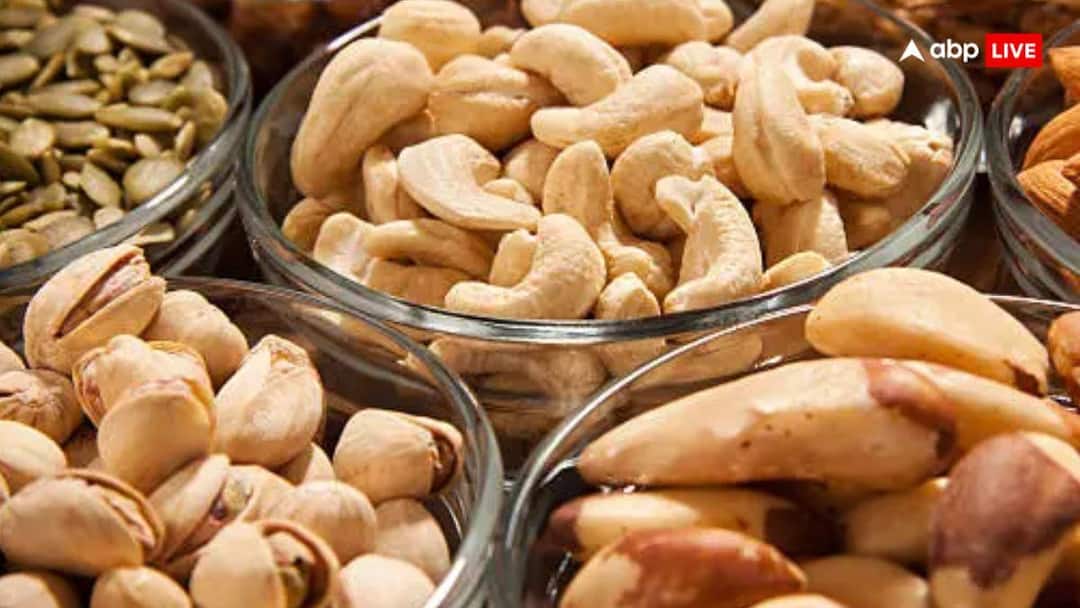
Dry fruit prices surge up: The impact of the ongoing conflict in West Asia is now visible on both the kitchen and business of Delhi. An increase of 20 to 50 percent has been recorded in the prices of dry fruits in the national capital. Traders say that due to supply disruption, uncertainty has increased in the market, which is directly impacting the pockets of consumers.
Khari Baoli located at Chandni Chowk in Old Delhi, which is considered to be Asia’s largest spice and dry fruits wholesale market, seems to be the most affected. Rajeev Bhatia, president of Khari Baoli Market Association, said,
“The prices of dry fruits have increased by 20 to 50 percent because there has been a huge shortage in supply due to the conflict. Most of the dry fruits, except cashews, are imported from West Asia and their supply has almost stopped. With the approach of Eid, the demand for dates has increased, but the stock is limited.”
Uncertainty in wholesale markets
Traders in Khari Baoli are currently running their business with the help of old stock. Omesh Jain, another wholesaler, said, “We are working with limited stock. The supply of almonds, figs, pine nuts, dates and many herbs has completely stopped.” He warned that if the situation continues like this, prices may increase further in the coming weeks.
According to businessmen, most of India’s dry fruit and spice trade is operated through Dubai. The disruption in this transit channel due to the ongoing conflict has increased uncertainty in major business centers like Chandni Chowk, Khari Baoli, Bhagirath Palace, Kashmiri Gate and Sadar Bazaar.
Rs 5000 crore threat to business
Chamber of Trade and Industry (CTI) Chairman Brijesh Goyal warned that if the conflict prolongs, Delhi’s trade and industrial activities worth about Rs 5000 crore may be affected. He told that the prices of pistachios, plums, raisins, figs, dates and Mamra almonds imported from Iran have increased by 30 to 40 percent.
effect on medicines also
The impact of the crisis is not limited to food items only. CTI Senior Vice President Deepak Garg said that the pharma sector is also under pressure due to the sharp increase in the prices of essential raw materials like chemicals, plastics and aluminium. He told that the prices of raw materials of common medicines have increased significantly in recent times.
“The price of paracetamol has increased by about 47 per cent, while the prices of diclofenac, diclofenac potassium, amoxicillin trihydrate and ciprofloxacin have also seen a huge increase.”
Crisis on street food business
According to CTI, about 50 thousand street food vendors work in Delhi and due to the current supply crisis, 20 to 30 percent of them are in danger of closure.
Experts believe that if the tension in West Asia does not subside soon, it may affect not only the prices of dry fruits and medicines, but also the entire business system and everyday life of the capital. At present, rising prices and decreasing supply in the market are indicating that the impact of the international crisis has now deeply reached the common consumer.
Also read: Not only Delhi-NCR, Mumbai-Bengaluru, sales of instant food are increasing in small cities also.

Khanderao Deshmukh aims to guide job seekers by delivering accurate, timely, and easy-to-understand information, helping them secure stable government careers.