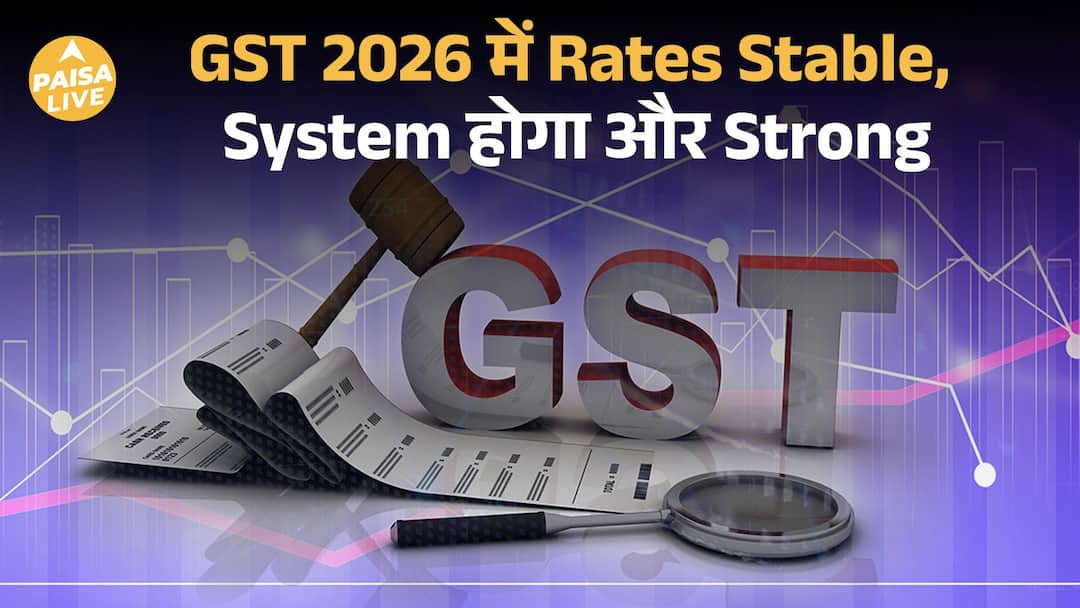
If you run a business or file GST, 2026 could be an important turning point for you. India’s GST framework is now entering a mature phase, where the focus is on fine-tuning, stability and selective improvements rather than major structural reforms. After GST 2.0, the rate structure has become largely stable—5% for essentials, 18% for standard goods & services and 40% only on luxury and sin goods. With the GST Appellate Tribunal fully operational, disputes will be resolved faster and litigation costs will be reduced. Fixing inverted duty structures, mandatory e-invoicing and data-driven enforcement will strengthen compliance. Reliefs like faster registration and quarterly returns for MSMEs will also continue. Overall, the goal of GST 2026 is to have a predictable, tech-enabled tax system that boosts growth, investment and confidence.

Khanderao Deshmukh aims to guide job seekers by delivering accurate, timely, and easy-to-understand information, helping them secure stable government careers.