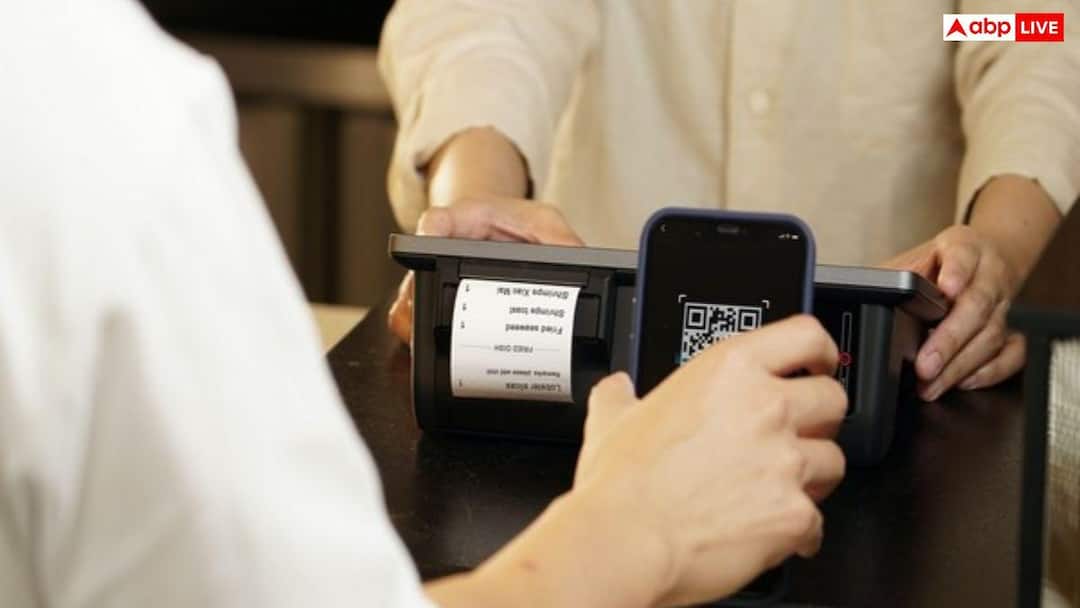
Digital Payment Future India: The pace of digital payments in India has increased significantly in the last few years. Today the situation is such that use of UPI has become common everywhere from tea shop, auto hire, electricity bill or mobile recharge to expensive shopping. QR code has now become not just a convenience but a means of freedom from cash.
But before Budget 2026, a reality is emerging regarding UPI, on which discussion has now started. This issue is related to the future of free digital payment model. In the coming time, the impact of the government’s decision may affect the common people.
UPI’s hold strong, but merchant network still limited
A large part of digital payments in the country now depends on UPI. About 85 percent of the total digital transactions are being done through UPI. Talking about the figures, in the month of October alone, more than 20 billion transactions took place and transactions worth about Rs 27 lakh crore were recorded. These figures show how fast UPI has become a part of people’s everyday life.
However, amidst these strong figures a challenge also emerges. According to the data, only about 45 percent merchants are accepting UPI payments regularly. The surprising thing is that almost one-third of the pin codes in the country are such where less than 100 active UPI merchants are present. Whereas the number of traders is likely to be higher in these areas.
Increasing economic pressure on free UPI model
According to the report of The Economic Times, the biggest challenge of UPI is that it is completely free. Till now no MDR of any kind is taken from shopkeepers. So that small traders can get convenience. But it costs around Rs 2 to complete each UPI transaction. Which is borne by banks and fintech companies.
The government had given Rs 3,900 crore to support digital payments in 2023-24. Whereas in 2025-26, this help reduced to only Rs 427 crore. On the other hand, the total cost of running the UPI system may reach Rs 8,000 to Rs 10,000 crore in the coming two years. This is the reason why questions are increasingly being raised regarding the future of free UPI.
RBI warning
On this entire issue, the RBI Governor has clearly said that it is not possible to run UPI for free always. Someone will have to bear the expenses incurred in this process. On this subject, companies say that due to lack of money, they are facing difficulty in bringing new features and making the system more robust. Besides, there is a problem in providing UPI to remote villages.
Decision may be taken in budget 2026
It can be decided in Budget 2026 whether UPI will remain completely free in future or some new path will be adopted for it. One option is that the government can continue the free model by giving more subsidy.
So that there is no burden on common people and small businessmen. The other way could be that the government can gradually move towards making UPI self-reliant by implementing limited MDR.
Also read: Selling by foreign investors continues; Rs 22,530 crore withdrawn from stock market in January, know details

Khanderao Deshmukh aims to guide job seekers by delivering accurate, timely, and easy-to-understand information, helping them secure stable government careers.