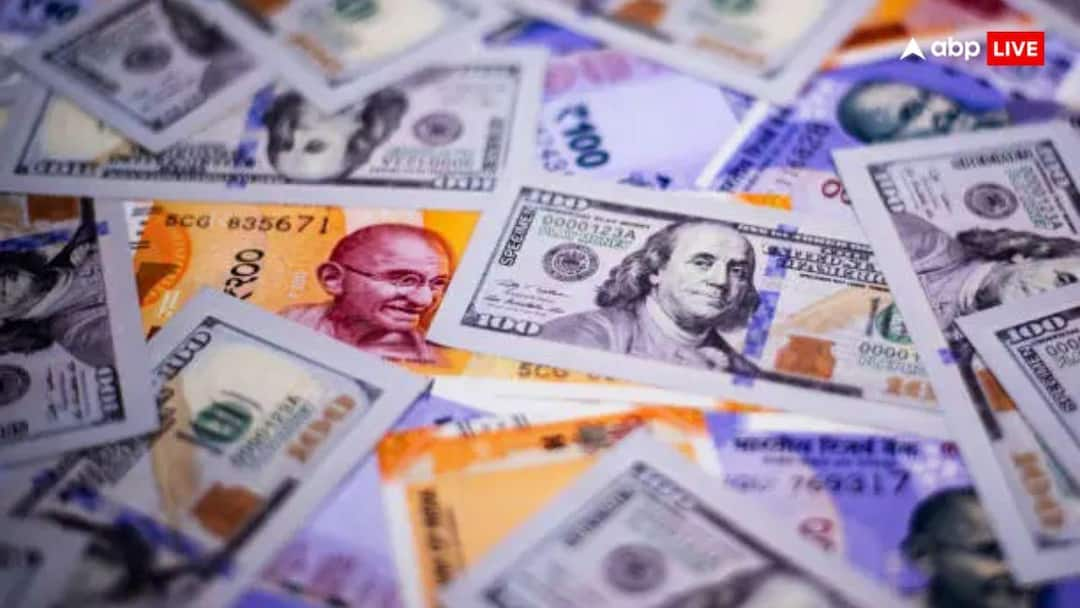
Rupee vs Dollar: With the beginning of the new year, the Indian rupee has strengthened. On Friday, January 2, 2026, the last trading day of the week, the rupee rose by six paise to reach 89.92 against the US dollar in early trade. According to Forex traders, the rupee is likely to trade in a tight range as the Reserve Bank of India (RBI) is actively intervening to save the 90 level. The rupee was supported by a positive trend in domestic stock markets, although continued foreign capital outflows limited this strength to some extent.
Rupee strengthened
In the interbank foreign exchange market, the rupee opened at 89.95 per dollar and strengthened during trading to reach 89.92, which is an increase of six paise over the previous closing price. Earlier on Thursday, the rupee had closed at 89.98 per dollar. Meanwhile, the dollar index, which reflects the dollar’s position against six major currencies, fell by 0.15 percent to 98.17, providing some relief to emerging currencies.
Talking about the stock market, there was a bullish atmosphere in the domestic markets. Sensex rose 158.19 points to 85,346.79 points in early trade, while Nifty was seen trading at 26,202.35 points with a gain of 55.8 points. In the international market, Brent crude fell by 0.38 percent and stood at $ 61.08 per barrel. However, selling by foreign institutional investors (FIIs) continued and they sold shares worth a net Rs 3,268.60 crore on Thursday, keeping pressure on the rupee and market sentiment.
Increase in GST collection
Meanwhile, according to government data, gross Goods and Services Tax (GST) collection in the month of December increased by 6.1 percent to more than Rs 1.74 lakh crore. However, due to relatively slow growth of revenue from domestic sales after tax cuts, the pace of GST collection appeared to be somewhat slow.
The gross GST collection in December 2024 was recorded at more than Rs 1.64 lakh crore. The data indicates that consumption remains stable, but revenue growth remains under pressure due to tax rate cuts and limited domestic demand momentum.

Khanderao Deshmukh aims to guide job seekers by delivering accurate, timely, and easy-to-understand information, helping them secure stable government careers.